

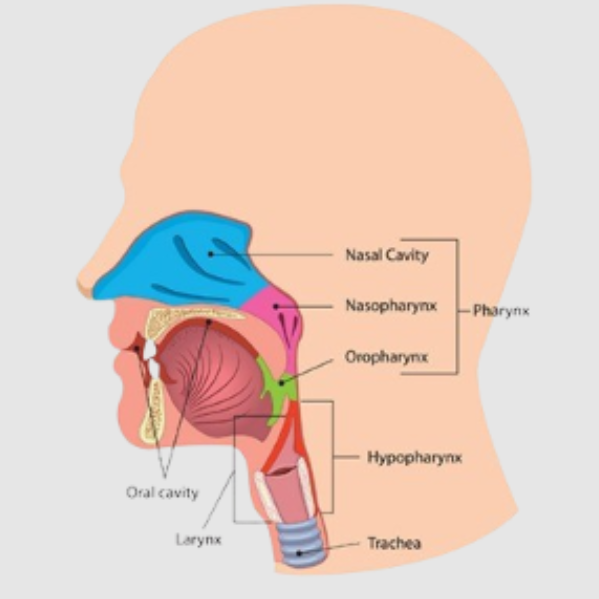
Head and neck cancers can affect the mouth, tongue, throat, voice box and several surrounding structures. Some symptoms resemble common dental, throat or respiratory problems, which can cause people to postpone medical evaluation.
Recognising persistent warning signs does not mean assuming that every symptom is cancer. It means knowing when a problem deserves proper examination.
A Mouth Ulcer That Does Not Heal
Mouth ulcers are common and frequently resolve without treatment.
An ulcer that remains for several weeks, repeatedly bleeds or gradually increases in size should be examined.
The location, appearance and surrounding tissue may help doctors determine whether further investigation or biopsy is required.
Persistent Lump in the Neck
Swollen lymph nodes can occur during infections. They usually improve as the underlying infection resolves.
A neck swelling that persists, increases in size or appears without an obvious infection requires assessment.
In some head and neck cancers, an enlarged lymph node may be one of the first noticeable symptoms.
Changes in the Voice
Temporary hoarseness commonly accompanies viral infections or excessive voice use.
Persistent hoarseness is different.
Changes in voice that continue without improvement may require examination of the larynx, particularly when accompanied by swallowing problems, throat discomfort or other concerning symptoms.
Difficulty Swallowing
Difficulty swallowing can have many causes.
However, gradually increasing difficulty with solid foods, painful swallowing or the feeling that food is getting stuck should be evaluated.
Patients may sometimes compensate by eating softer foods without recognising that the underlying problem is progressing.
White or Red Patches in the Mouth
Persistent white or red patches on the tongue, gums, inner cheek or other parts of the mouth deserve professional examination.
Not every patch is cancerous, but certain persistent oral changes can require biopsy or surveillance.
Unexplained Bleeding
Bleeding from the mouth or throat without an obvious explanation should not simply be dismissed, particularly when it recurs.
Similarly, blood-stained saliva combined with a persistent lesion warrants evaluation.
How Head and Neck Cancer Is Diagnosed
The diagnostic process begins with careful examination of the affected area.
Depending on the suspected site, doctors may recommend:
- Endoscopic examination
- CT scanning
- MRI
- Ultrasound
- PET imaging in selected cases
- Fine-needle aspiration of a neck node
- Biopsy of the suspected lesion
Biopsy confirms whether abnormal tissue is cancerous and identifies the tumour type.
Treatment Depends on More Than Tumour Size
Head and neck cancers are treated according to their location, stage and biological characteristics.
Options may include surgery, radiation therapy, chemotherapy or combinations of these treatments.
Surgical planning also considers important functions such as:
- Speech
- Swallowing
- Breathing
- Appearance
- Nutrition
Preserving function wherever oncologically appropriate is an important component of treatment planning.
Why Early Assessment Matters
Smaller, localised cancers may provide different treatment possibilities compared with disease that has spread extensively into surrounding structures or lymph nodes.
That does not mean every persistent symptom represents cancer. It means unexplained symptoms should be investigated rather than repeatedly treated without establishing their cause.
People in Vile Parle and surrounding parts of Mumbai have access to multidisciplinary cancer services, making timely specialist assessment possible when suspicious symptoms are identified.
For patients already diagnosed with head and neck cancers, Dr. Sasmita Vadgaonkar can assess the surgical aspects of treatment as part of broader oncological planning.
A persistent ulcer, unexplained neck lump, swallowing difficulty or prolonged voice change deserves medical attention. Identifying the cause is the first step toward determining whether treatment is needed and, if cancer is confirmed, which approach is most appropriate.