

Soft tissue sarcoma is a rare group of cancers that develops in the body's connective tissues, including muscles, fat, tendons, nerves, blood vessels, and fibrous tissues. Because these cancers are uncommon and often grow slowly in the early stages, many people mistake them for harmless lumps or injuries. Early recognition and evaluation by a specialist can make a significant difference in planning effective treatment.
For patients in Mumbai and across Maharashtra, understanding the warning signs and knowing when to seek medical advice can help avoid delays in diagnosis.
What Is Soft Tissue Sarcoma?
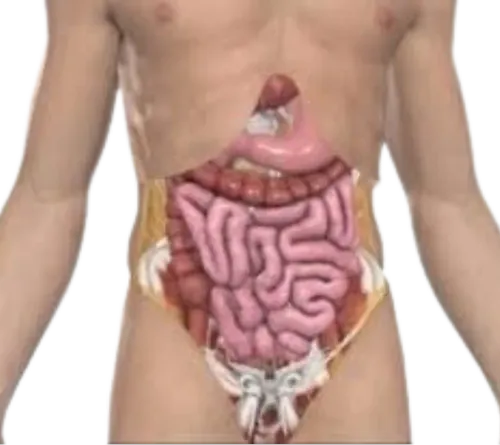
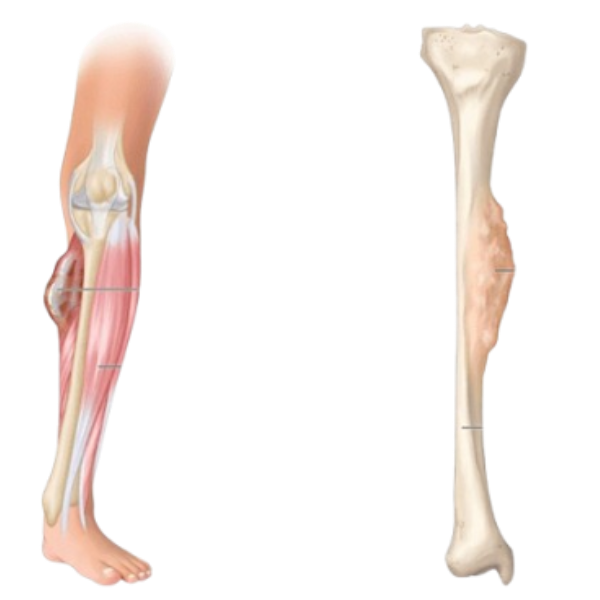
Soft tissue sarcoma refers to more than 50 different types of cancer that arise from the soft tissues supporting the body. These tumors can occur almost anywhere but are most commonly found in the arms, legs, abdomen, chest wall, and pelvis.
Unlike many common cancers, soft tissue sarcomas are relatively rare, which makes specialist assessment especially important. Their appearance and behaviour vary depending on the specific subtype, size, location, and grade of the tumour.
Some sarcomas grow slowly over several years, while others may progress more rapidly.
Common Symptoms to Watch For
One of the challenges with soft tissue sarcoma is that early symptoms are often minimal. Many patients notice only a painless lump that gradually increases in size.
Possible symptoms include:
- A lump that continues to grow
- Swelling beneath the skin
- Pain caused by pressure on nearby nerves or muscles
- Restricted movement when the tumour develops near a joint
- Abdominal discomfort if the tumour develops inside the abdomen
- Unexplained fullness or pressure in the abdomen
A lump that is larger than five centimetres, increasing in size, or located deep beneath the muscles should never be ignored.
When Should You See a Surgical Oncologist?
Not every lump is cancerous. Lipomas, cysts, and other benign growths are far more common. However, distinguishing between a harmless swelling and a sarcoma requires proper medical evaluation.
You should seek specialist advice if:
- A lump continues growing over weeks or months.
- It becomes painful without an obvious injury.
- It returns after previous removal.
- It affects normal movement.
- It develops rapidly.
Early consultation allows appropriate investigations before any surgical procedure is planned.
How Is Soft Tissue Sarcoma Diagnosed?
Diagnosis usually involves several steps rather than relying on a single test.
The evaluation may include:
Clinical Examination
The surgeon assesses the size, depth, mobility, and location of the swelling while reviewing symptoms and medical history.
Imaging Studies
MRI is often the preferred imaging technique for tumours involving the limbs because it provides detailed information about surrounding muscles, nerves, and blood vessels.
CT scans may be recommended for abdominal tumours or to assess whether the disease has spread.
Biopsy
A biopsy provides the definitive diagnosis by examining tumour tissue under a microscope.
Rather than removing the entire lump immediately, specialists often recommend image-guided core needle biopsy to identify the exact tumour type before deciding on treatment.
Additional Tests
Depending on the findings, blood investigations and chest imaging may also be performed as part of staging.
Treatment Depends on More Than Tumour Size
Soft tissue sarcoma treatment is highly individualised. Factors influencing treatment include:
- Tumour subtype
- Grade of the cancer
- Exact location
- Size
- Involvement of nearby structures
- Overall health of the patient
No single treatment plan is suitable for everyone.
Surgical Treatment
Surgery remains the primary treatment for many soft tissue sarcomas.
The goal is to remove the tumour completely while preserving as much normal tissue and function as possible. Advances in surgical oncology now allow limb-preserving procedures for many patients who might previously have required more extensive surgery.
Achieving clear surgical margins reduces the likelihood of local recurrence.
Other Treatment Options
Depending on the diagnosis, treatment may also include:
- Radiation therapy before or after surgery
- Chemotherapy for selected sarcoma types
- Targeted therapies for specific tumour subtypes
- Participation in multidisciplinary cancer care
The sequence of treatment is carefully planned based on the characteristics of each patient's disease.
Recovery After Surgery
Recovery varies according to the location and complexity of the operation.
Patients are encouraged to:
- Begin gentle movement as advised.
- Attend scheduled follow-up appointments.
- Participate in physiotherapy if recommended.
- Monitor wound healing carefully.
- Report new symptoms promptly.
Regular follow-up imaging is often part of long-term surveillance because some sarcomas can recur or spread after treatment.
Why Specialist Care Makes a Difference
Because soft tissue sarcoma is uncommon, treatment is best managed by surgeons experienced in oncological procedures and multidisciplinary cancer care. Careful surgical planning helps balance complete tumour removal with preservation of function and quality of life.
Patients seeking expert cancer care in Vile Parle, Mumbai, often benefit from evaluation by specialists familiar with complex sarcoma management. Dr. Sasmita Vadgaonkar provides comprehensive assessment for patients with suspected or confirmed soft tissue sarcoma, helping determine the most appropriate surgical and treatment pathway based on current evidence and individual clinical findings.
Although a diagnosis of soft tissue sarcoma can feel overwhelming, advances in imaging, surgical techniques, pathology, and coordinated cancer care have significantly improved treatment planning and outcomes. Seeking timely evaluation for an unexplained lump remains one of the most important steps toward early diagnosis and effective management.