

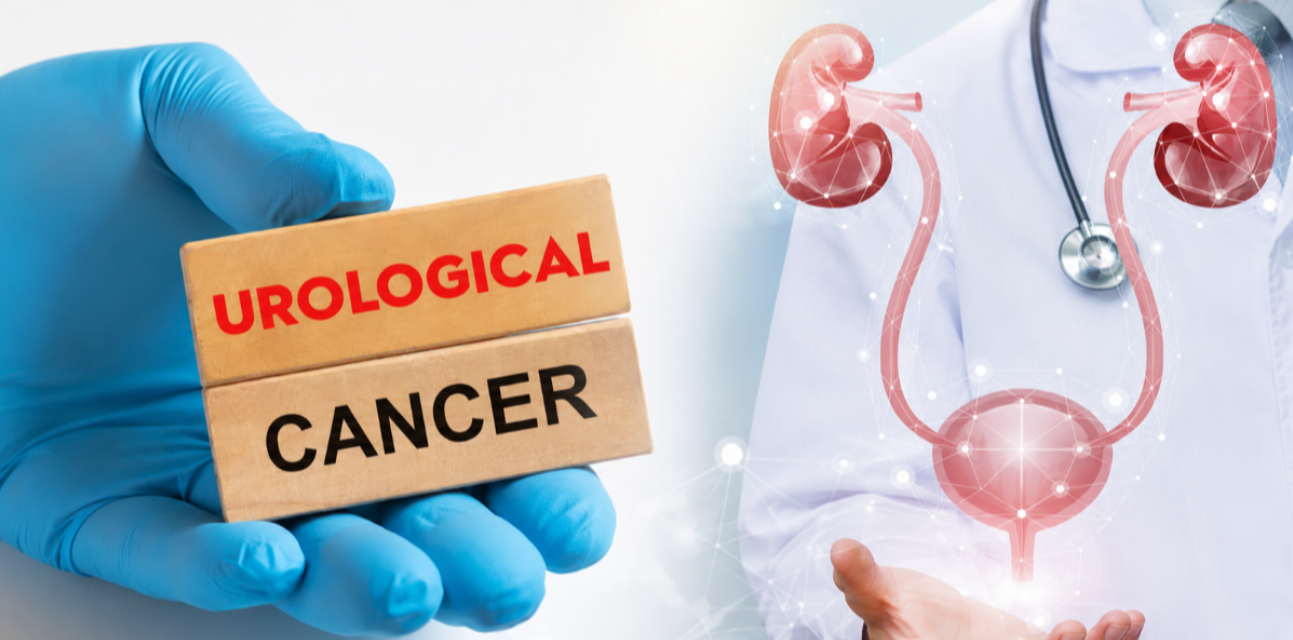
Urological cancers affect organs within the urinary system and, in men, can also involve parts of the reproductive system. Kidney, bladder, prostate and testicular cancers differ significantly in their behaviour, which means treatment should be based on the exact diagnosis rather than a general approach to urological cancer.
Patients evaluating treatment in Vile Parle, Mumbai, can benefit from understanding what determines whether surgery, systemic treatment or another strategy is considered.
Kidney Cancer
Many kidney tumours are discovered incidentally during ultrasound or CT scans performed for unrelated reasons.
When surgery is appropriate, doctors may consider partial nephrectomy, in which the tumour is removed while preserving part of the kidney, or radical nephrectomy, which removes the affected kidney.
The choice depends on tumour size, location, kidney function and disease extent.
Bladder Cancer
Bladder cancer commonly presents with blood in the urine, although urinary symptoms can occur for many other reasons.
Treatment depends heavily on whether cancer is confined to the superficial layers of the bladder or has invaded deeper muscle.
Early-stage disease may be managed with procedures performed through the urinary passage and additional bladder-directed treatment.
Muscle-invasive or more advanced disease may require substantially different treatment, potentially including major surgery and systemic therapy.
Prostate Cancer
Prostate cancer has a wide spectrum of behaviour.
Some prostate cancers grow slowly and may not require immediate treatment. Others are more aggressive and need active management.
Treatment options can include surveillance, surgery, radiation, hormonal treatment and systemic therapies depending on risk classification and disease stage.
This makes accurate assessment particularly important before treatment is selected.
Testicular Cancer
A painless testicular lump or enlargement requires prompt medical assessment.
Ultrasound and blood tumour markers may form part of the initial evaluation.
Treatment commonly begins with surgery to remove the affected testicle when cancer is suspected, followed by further treatment according to the tumour type and stage.
What Determines the Treatment Choice?
Doctors evaluate several factors:
- Exact cancer type
- Tumour stage
- Tumour grade
- Lymph node involvement
- Distant spread
- Kidney function
- Age and general health
- Previous treatment
- Expected treatment effects
Cancer treatment therefore cannot be chosen solely from a scan report.
Open and Minimally Invasive Surgery
Some urological cancer operations may be performed through open surgery, while others can potentially use laparoscopic or other minimally invasive approaches.
Smaller incisions can offer recovery benefits in appropriately selected cases, but the safest oncological procedure should remain the priority.
Complex tumour anatomy or involvement of major blood vessels and nearby organs may influence the surgical method.
Questions Worth Asking Before Surgery
Patients can make consultations more productive by asking:
- Is the disease localised?
- What is the objective of surgery?
- Can the affected organ be partially preserved?
- Are lymph nodes involved?
- What are the alternatives to surgery?
- Will additional cancer treatment be necessary?
- What changes should I expect after the operation?
For patients seeking surgical oncology evaluation in Mumbai, bringing previous scans on CD or digital media in addition to written reports can be useful because direct review of imaging may provide information relevant to surgical planning.
Dr. Sasmita Vadgaonkar provides assessment for urological cancers from her Vile Parle practice when surgical oncology input is appropriate.
The most suitable treatment is determined by cancer biology, anatomy and stage. A structured review of these factors allows patients and families to compare options based on their actual diagnosis rather than assumptions about a particular cancer type.