

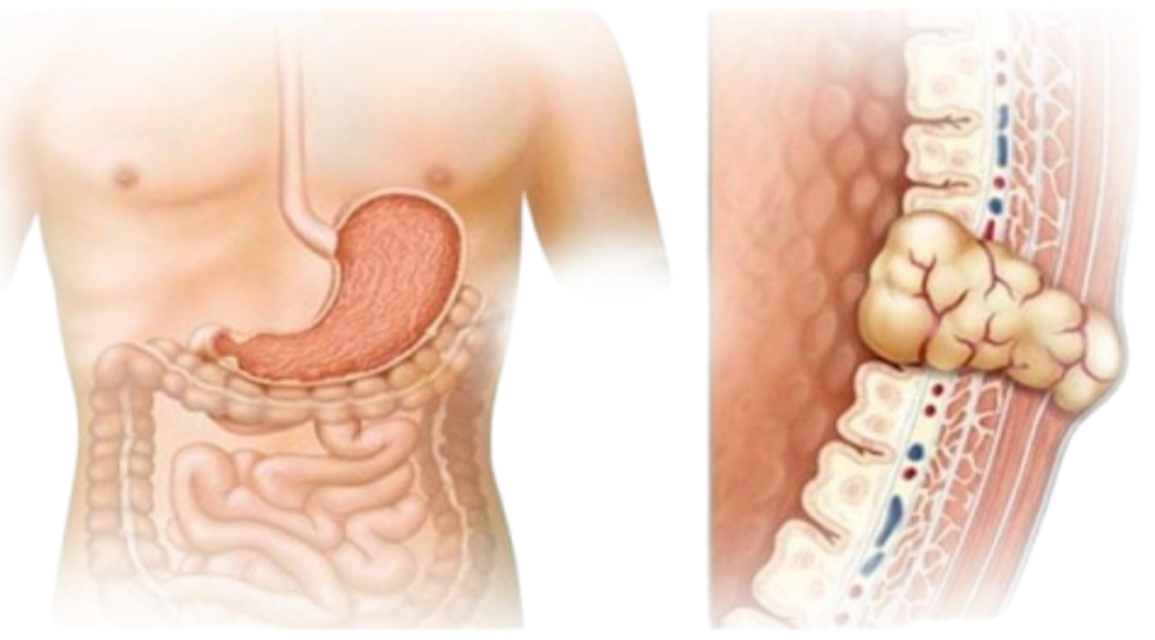
Gastrointestinal Stromal Tumors (GISTs) are uncommon tumors that develop in the digestive tract, most often in the stomach or small intestine. Although they are relatively rare, GISTs are the most common type of mesenchymal tumor affecting the gastrointestinal tract. They arise from specialised cells known as the interstitial cells of Cajal, which help regulate the movement of food through the digestive system.
Many GISTs are discovered unexpectedly during investigations for unrelated health concerns, while others cause symptoms only after they grow larger. Understanding the condition, recognising early warning signs, and knowing how it is treated can help patients seek timely care and improve treatment outcomes.
What Is a Gastrointestinal Stromal Tumor?
A Gastrointestinal Stromal Tumor is different from the more common cancers of the stomach or intestine. It develops from the connective tissue of the digestive tract rather than the lining of the bowel.
Although GISTs can occur anywhere along the digestive system, they are most frequently found in:
- The stomach
- The small intestine
- The oesophagus
- The colon
- The rectum
Some tumors grow slowly over many years, while others behave more aggressively. Their behaviour depends on factors such as tumour size, location, and the number of dividing cells seen under the microscope.
Symptoms Can Be Subtle
Small GISTs often cause no symptoms and may only be detected during imaging or endoscopy performed for another reason.
As the tumour enlarges, patients may experience:
- Persistent abdominal discomfort
- A feeling of fullness after eating small meals
- Nausea or vomiting
- Gastrointestinal bleeding
- Black or tarry stools
- Fatigue caused by anaemia
- Unexplained weight loss
- A noticeable abdominal swelling in larger tumors
These symptoms are not specific to GIST and may occur with many digestive conditions. Persistent or unexplained symptoms should always be medically evaluated.
How Is GIST Diagnosed?
Diagnosing a Gastrointestinal Stromal Tumor involves a combination of clinical assessment, imaging, and laboratory investigations.
Common diagnostic tests include:
Endoscopy
Tumors located within the stomach or upper digestive tract can often be identified during an endoscopic examination.
CT Scan
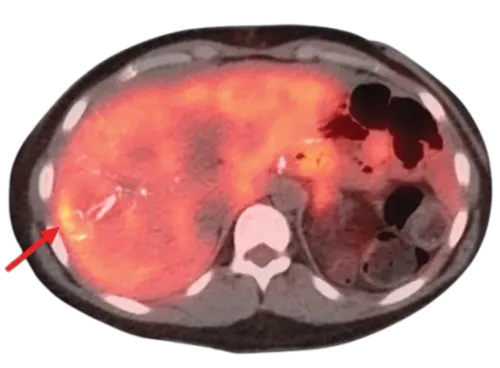
Contrast-enhanced CT scanning helps determine the size of the tumour, its relationship to nearby organs, and whether the disease has spread.
MRI
MRI may be recommended in selected situations, particularly for rectal GISTs or when additional anatomical detail is required.
Biopsy
When appropriate, a biopsy provides tissue for microscopic examination and specialised immunohistochemical testing, which confirms the diagnosis.
Accurate diagnosis is essential because GIST differs from other gastrointestinal cancers and requires a different treatment strategy.
Is Surgery the Main Treatment?
For localised Gastrointestinal Stromal Tumors, surgery remains the primary treatment.
The objective is to remove the tumour completely while avoiding rupture during the procedure, as this may increase the risk of recurrence.
Unlike many gastrointestinal cancers, extensive lymph node removal is usually not necessary because GISTs rarely spread through the lymphatic system.
Depending on the tumour's location and size, surgery may involve removing only the affected portion of the stomach or intestine while preserving as much normal digestive function as possible.
Can Minimally Invasive Surgery Be Used?
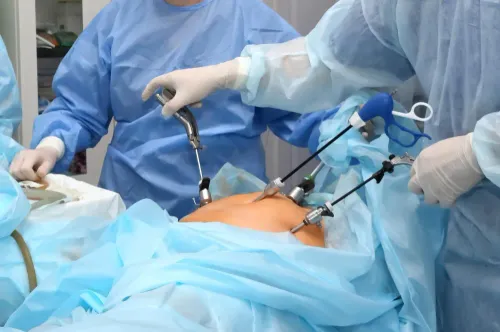
Many patients wonder whether laparoscopic surgery is possible for GIST.
In carefully selected cases, minimally invasive surgery offers several advantages:
- Smaller incisions
- Reduced postoperative pain
- Less blood loss
- Faster recovery
- Shorter hospital stay
- Earlier return to daily activities
However, larger or more complex tumors may require conventional open surgery to ensure safe and complete removal.
The surgical approach is chosen based on oncological safety rather than cosmetic considerations.
Is Additional Treatment Ever Required?
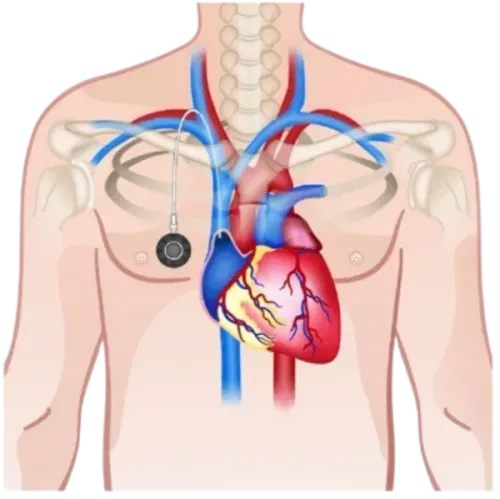
Some patients benefit from targeted therapy before or after surgery.
Targeted medications may be recommended when:
- The tumour is large
- There is a higher risk of recurrence
- Complete surgical removal is initially difficult
- The disease has spread beyond its original location
These medications work differently from traditional chemotherapy by targeting specific molecular changes commonly found in GIST cells.
The treatment plan is individualised according to tumour biology and pathology findings.
Recovery After GIST Surgery
Recovery depends on the type of operation performed and the patient's overall health.
Following surgery, patients are encouraged to:
- Resume walking as advised
- Gradually restart oral nutrition
- Follow wound care instructions
- Attend scheduled follow-up appointments
- Complete recommended imaging studies
Long-term surveillance is particularly important because some GISTs have the potential to recur even after successful surgery.
Regular monitoring allows doctors to detect any changes early and adjust treatment if necessary.
Why Specialist Surgical Care Matters
Managing Gastrointestinal Stromal Tumors requires expertise in surgical oncology, pathology, radiology, and targeted cancer therapies. Treatment decisions are based not only on tumour size but also on genetic characteristics, anatomical location, and individual patient factors.
Patients in Vile Parle, Mumbai, and throughout Maharashtra often seek specialist evaluation when diagnosed with a GIST or when a second opinion is needed regarding surgery. Dr. Sasmita Vadgaonkar provides comprehensive assessment for patients with gastrointestinal tumors, carefully evaluating whether minimally invasive surgery, conventional surgery, or a combined treatment approach offers the most appropriate outcome.
Although Gastrointestinal Stromal Tumors are uncommon, advances in diagnostic imaging, molecular testing, surgical techniques, and targeted therapies have significantly improved patient outcomes. Early diagnosis, personalised treatment planning, and regular follow-up remain the foundation of effective long-term management, helping many patients return to normal life after treatment while maintaining close surveillance for future health.