

When cancer surgery is recommended, many patients immediately think of large incisions, prolonged hospital stays, and weeks of recovery. While traditional open surgery is still necessary for certain conditions, advances in surgical oncology have made minimally invasive laparoscopic surgery a preferred option for many cancer patients. This technique allows surgeons to perform complex procedures using small incisions without compromising the principles of cancer treatment.
Understanding how laparoscopic cancer surgery works, its benefits, and its limitations can help patients discuss the most suitable surgical approach with confidence.
What Is Minimally Invasive Laparoscopic Surgery?
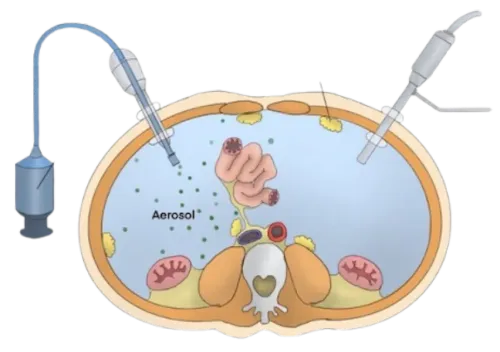
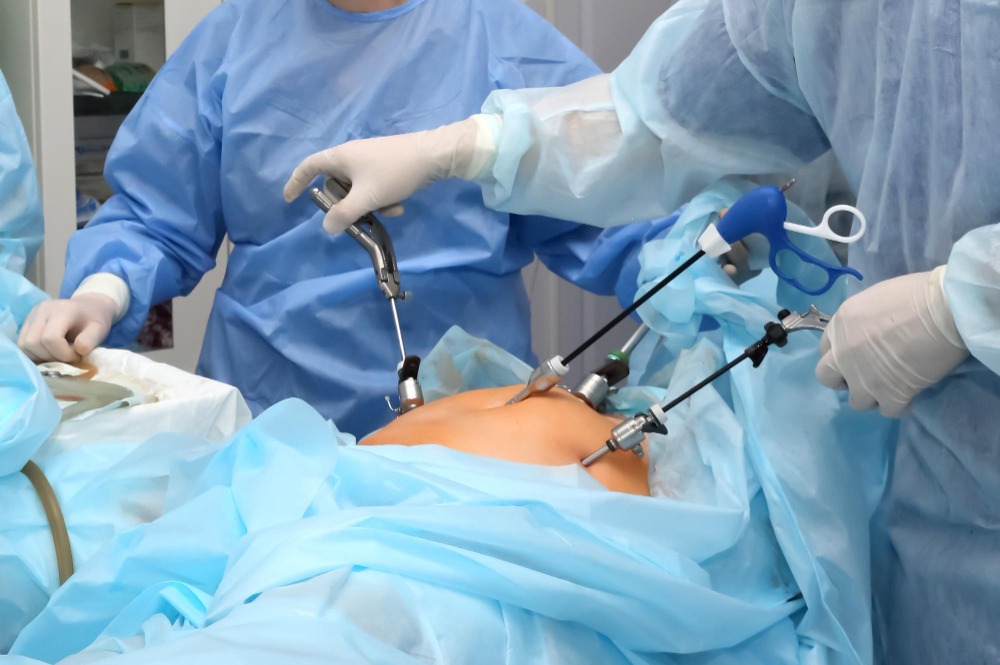
Laparoscopic surgery is performed using small incisions through which a high-definition camera and specialised surgical instruments are inserted. The camera provides a magnified view of the internal organs, enabling the surgeon to operate with precision while avoiding the need for a large surgical opening.
The primary goal remains the same as in open surgery—to remove the cancer completely while preserving as much healthy tissue and organ function as possible.
In surgical oncology, the decision to use a minimally invasive approach is based on the type of cancer, its location, stage, and the patient's overall health.
Which Cancers Can Be Treated Laparoscopically?
Not every cancer can be treated using minimally invasive techniques. However, laparoscopic surgery has become an established option for carefully selected patients with several types of cancer.
These may include:
- Colorectal cancers
- Stomach cancers
- Liver and gallbladder tumours in selected cases
- Certain pancreatic conditions
- Gynaecological cancers
- Some urological cancers
- Selected adrenal and abdominal tumours
The suitability of laparoscopic surgery depends on detailed imaging, tumour size, previous surgeries, and whether the disease has spread.
Advantages of Laparoscopic Cancer Surgery
One of the reasons minimally invasive surgery has gained popularity is its ability to reduce the physical impact of surgery while maintaining oncological safety.
Some potential advantages include:
- Smaller surgical incisions
- Reduced postoperative pain
- Lower blood loss during surgery
- Shorter hospital stay
- Faster recovery
- Earlier return to normal activities
- Smaller scars
- Reduced risk of wound-related complications
These benefits vary from patient to patient and depend on the complexity of the procedure.
Does a Smaller Incision Mean a Less Effective Surgery?
This is one of the most common concerns among patients.
The size of the incision does not determine how effectively the cancer is treated. Successful cancer surgery depends on complete tumour removal, adequate surgical margins, and appropriate removal of nearby lymph nodes when required.
Modern laparoscopic techniques are designed to achieve the same oncological principles as open surgery in carefully selected cases.
If the surgeon believes that an open procedure offers a safer or more effective outcome, that recommendation will always take priority over the size of the incision.
When Is Open Surgery Still the Better Option?
Although minimally invasive surgery offers many advantages, it is not appropriate for every patient.
Open surgery may be recommended when:
- The tumour is very large.
- Cancer has invaded nearby organs extensively.
- Multiple complex reconstructions are required.
- There are dense internal adhesions from previous surgeries.
- Emergency surgery is needed.
- Patient safety would be better served by an open approach.
The choice is always guided by achieving the best possible cancer outcome rather than simply using the latest technology.
What to Expect Before Surgery
Before recommending laparoscopic cancer surgery, the treating team performs a comprehensive evaluation.
This may include:
- CT scan or MRI
- Blood investigations
- Anaesthetic assessment
- Cardiac evaluation when necessary
- Nutritional assessment
- Review by a multidisciplinary tumour board
Patients are also advised about fasting, medications, and postoperative recovery expectations.
Understanding the planned procedure beforehand helps reduce anxiety and prepares patients for a smoother surgical experience.
Recovery After Laparoscopic Cancer Surgery
Recovery is generally quicker than with traditional open surgery, although timelines vary depending on the complexity of the operation.
Most patients are encouraged to:
- Begin walking soon after surgery
- Resume oral nutrition gradually
- Perform breathing exercises
- Attend follow-up appointments
- Follow wound care instructions carefully
Returning to work or daily activities depends on the type of surgery performed, overall health, and individual healing.
Even after a successful operation, ongoing follow-up remains an essential part of cancer care to monitor recovery and detect any future concerns.
Choosing an Experienced Surgical Oncologist
Minimally invasive cancer surgery requires specialised training, advanced equipment, and extensive surgical expertise. The decision to perform a laparoscopic procedure should always be based on what is safest and most beneficial for the patient rather than patient preference alone.
Individuals seeking cancer treatment in Vile Parle, Mumbai, and nearby regions of Maharashtra often look for surgeons experienced in both conventional and minimally invasive oncological procedures. Dr. Sasmita Vadgaonkar evaluates each patient individually to determine whether laparoscopic surgery is appropriate based on tumour characteristics, cancer stage, and overall health. This personalised approach helps ensure that surgical decisions are guided by evidence-based practice while prioritising long-term treatment outcomes.
As surgical oncology continues to evolve, minimally invasive laparoscopic surgery has expanded treatment possibilities for many patients. While it may not replace open surgery in every situation, it offers a safe and effective option for selected cancers, combining modern surgical precision with the potential for a smoother recovery and improved patient experience.