

Neuroendocrine tumors (NETs) are a rare group of cancers that develop from neuroendocrine cells, which are found throughout the body. These specialised cells help regulate important functions by producing hormones in response to signals from the nervous system. Because neuroendocrine cells exist in many organs, these tumors can arise in the digestive tract, pancreas, lungs, and several other parts of the body.
One of the biggest challenges with neuroendocrine tumors is that they often grow slowly and produce vague symptoms. As a result, many patients are diagnosed only after months or even years of unexplained health problems. Understanding the warning signs and available treatment options can help patients seek timely medical evaluation and improve treatment outcomes.
What Are Neuroendocrine Tumors?
Neuroendocrine tumors develop when neuroendocrine cells begin growing abnormally. Some NETs produce excess hormones that cause noticeable symptoms, while others remain 'non-functioning' and may not cause any symptoms until they become larger.
These tumors can range from slow-growing, low-grade cancers to more aggressive forms that require prompt treatment.
The most common sites include:
- Small intestine
- Pancreas
- Stomach
- Colon and rectum
- Appendix
- Lungs
The behaviour of a neuroendocrine tumor depends on its location, size, grade, and whether it has spread to other organs.
Symptoms Can Be Easy to Miss
Many neuroendocrine tumors produce symptoms that resemble common digestive or hormonal disorders. This often delays diagnosis.
Possible symptoms include:
- Persistent abdominal pain
- Unexplained weight loss
- Changes in bowel habits
- Recurring diarrhoea
- Nausea or vomiting
- Fatigue
- Loss of appetite
Some hormone-producing tumors may also cause:
- Facial flushing
- Wheezing
- Rapid heartbeat
- Low blood sugar episodes
- Recurrent stomach ulcers
- High blood pressure in specific tumor types
Since these symptoms may be associated with several other conditions, specialist evaluation is essential when they persist without a clear explanation.
How Are Neuroendocrine Tumors Diagnosed?
Diagnosing a neuroendocrine tumor usually involves several investigations rather than relying on a single test.
The diagnostic process may include:
Clinical Assessment
The doctor reviews symptoms, medical history, family history, and performs a physical examination.
Blood and Urine Tests
Certain NETs release hormones or proteins that can be detected through specialised laboratory tests.
Imaging Studies
CT scans and MRI help identify the location and size of the tumour.
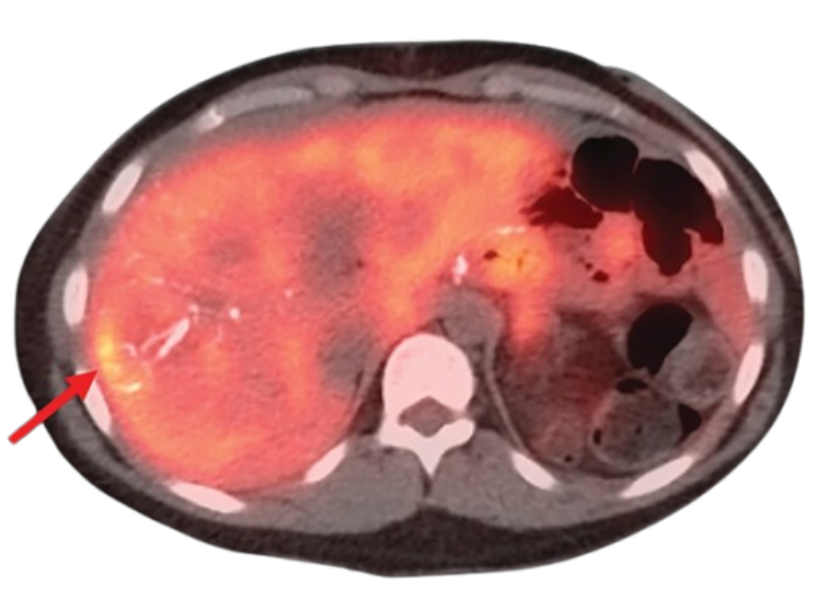
In many cases, advanced nuclear medicine imaging such as PET scans specifically designed for neuroendocrine tumors provides valuable information about disease spread.
Endoscopy
If the tumour is suspected within the digestive tract, upper gastrointestinal endoscopy or colonoscopy may be recommended.
Biopsy
A tissue sample confirms the diagnosis and helps determine the tumour grade, which influences treatment planning.
Is Surgery Always Required?
Surgery remains the primary treatment for many localised neuroendocrine tumors and offers the best opportunity for long-term disease control or cure when the cancer has not spread extensively.
The surgical approach depends on:
- Tumour location
- Size
- Grade
- Nearby organ involvement
- Presence of metastasis
- Overall health of the patient
In some situations, surgery may still be recommended even when the disease has spread, particularly if removing the primary tumour helps reduce symptoms or improve quality of life.
Other Treatment Options
Not every patient requires surgery alone.
Depending on the stage of the disease, treatment may also include:
- Targeted therapy
- Somatostatin analogue medications
- Peptide receptor radionuclide therapy (PRRT)
- Chemotherapy for selected high-grade tumors
- Liver-directed treatments for metastatic disease
Treatment planning is usually discussed within a multidisciplinary cancer team to ensure every available option is considered.
Recovery and Follow-Up
Recovery after surgery depends on the organ involved and the complexity of the procedure.
Following treatment, patients typically require:
- Regular imaging studies
- Blood investigations
- Hormone level monitoring where applicable
- Nutritional assessment
- Long-term follow-up appointments
Even after successful treatment, ongoing surveillance is important because some neuroendocrine tumors can recur years later.
Why Specialist Evaluation Is Important
Because neuroendocrine tumors are uncommon and highly variable, diagnosis and treatment require experience across surgical oncology, endocrinology, pathology, radiology, and medical oncology. Choosing the right treatment often depends on subtle clinical details that influence long-term outcomes.
Patients seeking expert cancer care in Vile Parle, Mumbai, and across Maharashtra frequently benefit from consultation with specialists experienced in managing complex gastrointestinal and endocrine-related cancers. Dr. Sasmita Vadgaonkar evaluates neuroendocrine tumors through a comprehensive, evidence-based approach, helping determine whether surgery, systemic therapy, or a combination of treatments is most appropriate for each patient's condition.
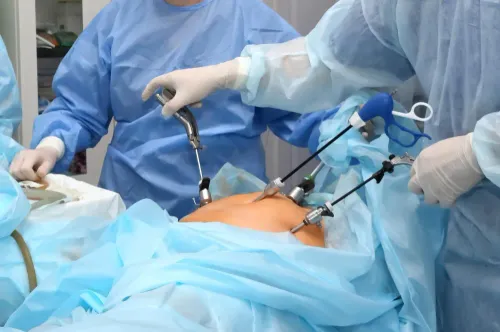
Although receiving a diagnosis of a neuroendocrine tumor can be overwhelming, advances in imaging, pathology, minimally invasive surgery, and targeted therapies have significantly improved treatment possibilities. Early recognition of persistent symptoms and timely specialist assessment remain the most important steps toward achieving effective treatment and preserving long-term health.