

Starting chemotherapy often raises many questions, especially when patients are advised to undergo a chemoport insertion before treatment begins. While the recommendation may sound unfamiliar, a chemoport is a well-established medical device that helps make repeated chemotherapy sessions safer, more comfortable, and more efficient. It is commonly used for patients who require long-term intravenous treatment, frequent blood tests, or medications that could irritate smaller veins.
Understanding why a chemoport is recommended, how the procedure is performed, and what life is like after insertion can help patients approach their cancer treatment with greater confidence.
What Is a Chemoport?
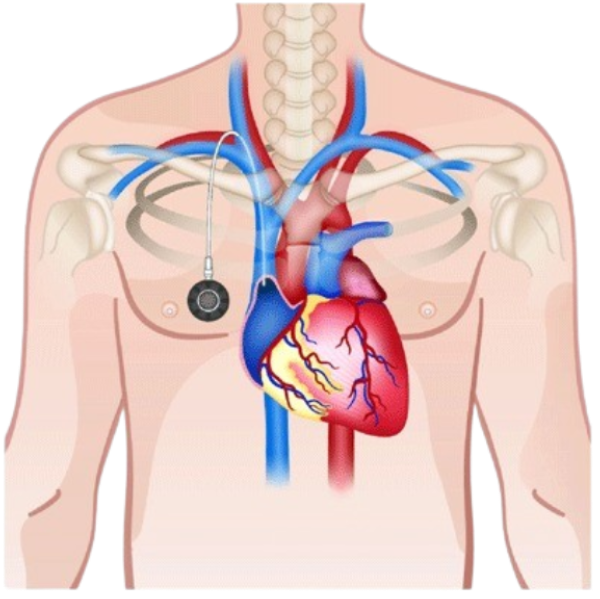
A chemoport, also known as an implantable venous access port, is a small medical device placed beneath the skin, usually on the upper chest. It is connected to a thin catheter that enters a large vein leading directly to the heart.
Once the port is implanted, healthcare professionals can administer chemotherapy, intravenous medications, fluids, or collect blood samples without repeatedly inserting needles into the veins of the hands or arms.
The port remains completely under the skin, making it discreet and allowing patients to continue most of their normal daily activities.
Why Is a Chemoport Recommended?
Many chemotherapy drugs are powerful medications that can irritate or damage smaller veins if administered repeatedly. Frequent needle insertions may also become painful, especially for patients receiving treatment over several months.
A chemoport offers several practical advantages:
- Reliable long-term venous access
- Reduced discomfort from repeated needle pricks
- Lower risk of damage to peripheral veins
- Easier administration of chemotherapy and supportive medications
- Convenient blood sample collection during treatment
- Greater comfort for patients undergoing multiple treatment cycles
For individuals receiving prolonged cancer treatment, a chemoport often improves the overall treatment experience.
Who May Need a Chemoport?
Not every patient undergoing cancer treatment requires a chemoport. The decision depends on the type of cancer, treatment plan, and expected duration of therapy.
A chemoport may be recommended for patients who:
- Require multiple chemotherapy cycles
- Receive medications that can irritate small veins
- Need long-term intravenous treatment
- Have difficult or fragile veins
- Require frequent blood investigations
- Need nutritional or supportive intravenous therapy
The treating oncologist determines whether the benefits outweigh the need for the procedure.
How Is Chemoport Insertion Performed?
Chemoport insertion is generally considered a minor surgical procedure.
After administering local anaesthesia, and in some cases mild sedation, the surgeon makes a small incision near the collarbone or upper chest. The catheter is carefully guided into a major vein using imaging guidance to ensure accurate placement. The port is then positioned beneath the skin and connected securely to the catheter before the incision is closed.
The procedure usually takes less than an hour, although the exact duration may vary depending on the patient's anatomy and clinical condition.
Many patients return home on the same day after a short observation period.
Is the Procedure Painful?
Patients often worry about discomfort during and after chemoport insertion.
During the procedure, local anaesthesia helps minimise pain. Afterward, mild soreness or bruising around the incision site is common for a few days and generally responds well to prescribed pain medication.
Once healing is complete, most patients become accustomed to the port and experience little or no discomfort during everyday activities.
Living with a Chemoport
A chemoport is designed to support daily life without major restrictions.
After the incision has healed, most patients can:
- Shower normally
- Resume office work and routine activities
- Travel when medically appropriate
- Wear regular clothing comfortably
- Sleep in their preferred position with minimal adjustment
Healthcare providers also teach patients how to care for the port and explain when maintenance flushing may be required if it is not being used regularly.
Are There Any Risks?
Like any medical procedure, chemoport insertion carries some potential risks, although serious complications are uncommon when performed by experienced specialists.
Possible risks include:
- Infection
- Bleeding
- Bruising
- Catheter blockage
- Blood clot formation
- Port displacement in rare cases
Patients should promptly report symptoms such as fever, swelling, redness, persistent pain, or difficulty using the port, as early intervention helps prevent complications.
When Is the Chemoport Removed?
A chemoport is usually removed once chemotherapy and any planned intravenous treatments have been completed.
Removal is generally a straightforward procedure performed under local anaesthesia. Since the port is placed beneath the skin, only a small incision is needed, and recovery is typically quick.
The decision to remove the device depends on the patient's treatment plan and confirmation from the oncology team that long-term venous access is no longer required.
The Importance of Specialist Care
Although chemoport insertion is a relatively short procedure, precise placement and proper technique are essential for ensuring safe, long-term use throughout cancer treatment. Experienced surgical oncologists work closely with medical oncologists to determine the most appropriate timing and placement based on each patient's diagnosis and treatment schedule.
Patients in Vile Parle, Mumbai, and surrounding parts of Maharashtra often undergo chemoport insertion as part of a comprehensive cancer care plan. Dr. Sasmita Vadgaonkar performs careful pre-procedure assessment and coordinates treatment with the oncology team to ensure that patients receive safe, evidence-based care tailored to their individual needs.
For many people beginning chemotherapy, a chemoport provides more than just convenient venous access. It reduces the challenges associated with repeated intravenous treatments, protects the veins from long-term damage, and helps patients focus on their recovery rather than the discomfort of frequent needle insertions. Understanding the purpose and benefits of a chemoport allows patients to approach treatment with greater reassurance and confidence in the care they receive.