

Retroperitoneal sarcomas are rare cancers that develop in the retroperitoneum, the area deep inside the abdomen behind the abdominal organs. Because this space can accommodate large tumors without causing noticeable symptoms, many retroperitoneal sarcomas are diagnosed only after they have grown significantly. Early recognition and evaluation by an experienced surgical oncologist play an important role in planning effective treatment.
Patients are often surprised to learn that these tumors may become quite large before they cause pain or other obvious health concerns. Understanding the symptoms, diagnostic process, and available treatment options can help individuals seek timely medical attention.
What Is a Retroperitoneal Sarcoma?
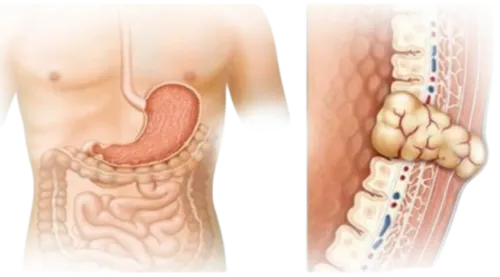
A retroperitoneal sarcoma is a type of soft tissue sarcoma that develops in connective tissues located behind the abdominal cavity. These tumors may arise from fat, muscle, nerves, blood vessels, or other supporting tissues.
Several different subtypes exist, including:
- Liposarcoma
- Leiomyosarcoma
- Undifferentiated pleomorphic sarcoma
- Malignant peripheral nerve sheath tumors
- Solitary fibrous tumors
Each subtype behaves differently, making accurate diagnosis essential before treatment begins.
Why Are These Tumors Often Diagnosed Late?
Unlike tumors that develop near the skin, retroperitoneal sarcomas have room to grow without immediately affecting surrounding structures.
Many patients experience few symptoms during the early stages. As the tumor enlarges, it may begin pressing against nearby organs such as the kidneys, intestines, major blood vessels, or bladder.
This explains why many retroperitoneal sarcomas are already large when first detected.
Symptoms You Should Not Ignore
The symptoms depend on the size and location of the tumor rather than the cancer itself.
Possible warning signs include:
- Persistent abdominal pain
- A slowly enlarging abdominal lump
- Feeling of abdominal fullness
- Back pain without an obvious cause
- Unexplained weight loss
- Reduced appetite
- Constipation
- Swelling of the legs due to pressure on blood vessels
- Difficulty passing urine in selected cases
These symptoms are not unique to retroperitoneal sarcoma, but persistent or worsening complaints should always be medically evaluated.
How Is the Diagnosis Confirmed?
Diagnosing retroperitoneal sarcoma requires careful planning because treatment decisions depend heavily on tumour type and extent.
The evaluation generally includes:
Detailed Imaging
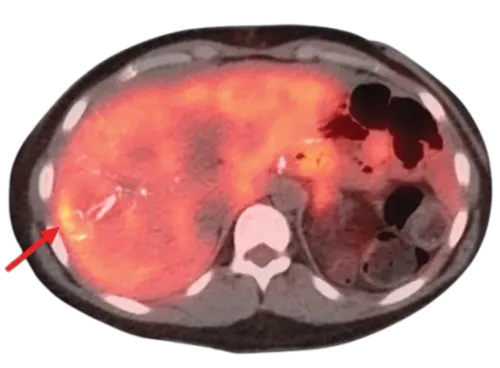
CT scans provide valuable information about tumour size, nearby organs, and blood vessel involvement.
MRI may also be recommended for selected patients to obtain additional anatomical detail.
Image-Guided Biopsy
Rather than removing the tumour immediately, specialists usually perform a core needle biopsy to identify the exact subtype.
This information helps determine the most appropriate surgical approach and whether additional treatment may be required.
Multidisciplinary Review
Complex sarcoma cases are often discussed by a team of specialists that may include surgical oncologists, radiologists, pathologists, and medical oncologists.
Collaborative planning improves treatment decisions and long-term outcomes.
Why Surgery Is the Main Treatment
Complete surgical removal remains the cornerstone of treatment for most retroperitoneal sarcomas.
The operation may involve removing the tumour along with nearby tissues or organs if they are directly involved. Although this sounds extensive, the objective is to remove the cancer completely while achieving clear surgical margins whenever possible.
Incomplete removal increases the likelihood of local recurrence, making meticulous surgical planning essential.
Is Every Patient Suitable for Surgery?
Not every retroperitoneal sarcoma can be treated in the same way.
The decision depends on:
- Tumour size
- Exact location
- Relationship to major blood vessels
- Involvement of surrounding organs
- Cancer subtype
- Patient's general health
Some patients may also require radiotherapy or systemic treatment as part of an overall management plan.
Each treatment strategy is individualised rather than standardised.
Recovery After Surgery
Recovery depends on the complexity of the operation and whether nearby organs required removal.
Patients are usually advised to:
- Begin gentle movement early
- Follow nutritional recommendations
- Attend regular follow-up visits
- Complete scheduled imaging studies
- Report new symptoms promptly
Long-term surveillance is essential because retroperitoneal sarcomas have a recognised risk of recurrence even after successful surgery.
When Should You Consult a Surgical Oncologist?
Many patients first consult a general physician after noticing persistent abdominal symptoms. However, referral to a surgical oncologist becomes important when imaging identifies a suspicious abdominal mass or when biopsy confirms a soft tissue sarcoma.
Seeking specialist evaluation without delay is particularly important if:
- The tumour is increasing in size.
- Imaging suggests a deep abdominal mass.
- Previous investigations have been inconclusive.
- A second opinion is needed before surgery.
- Treatment involves multiple specialists.
Early referral allows comprehensive treatment planning before any major intervention is undertaken.
Expert Care for Rare Sarcomas
Retroperitoneal sarcomas require specialised surgical expertise because of their location and relationship with vital abdominal organs. Successful treatment depends not only on removing the tumour but also on preserving organ function wherever safely possible.
Patients in Vile Parle, Mumbai, and across Maharashtra frequently seek specialist consultation for rare abdominal cancers and complex soft tissue sarcomas. Dr. Sasmita Vadgaonkar provides comprehensive evaluation and evidence-based surgical planning for patients with retroperitoneal sarcomas, ensuring that every treatment recommendation is tailored to the tumour type, disease extent, and individual health status.
Although retroperitoneal sarcomas are uncommon, modern imaging, multidisciplinary cancer care, and advances in surgical oncology have significantly improved treatment planning. Recognising persistent symptoms early and consulting an experienced surgical oncologist remain the most important steps toward achieving the best possible outcome.