

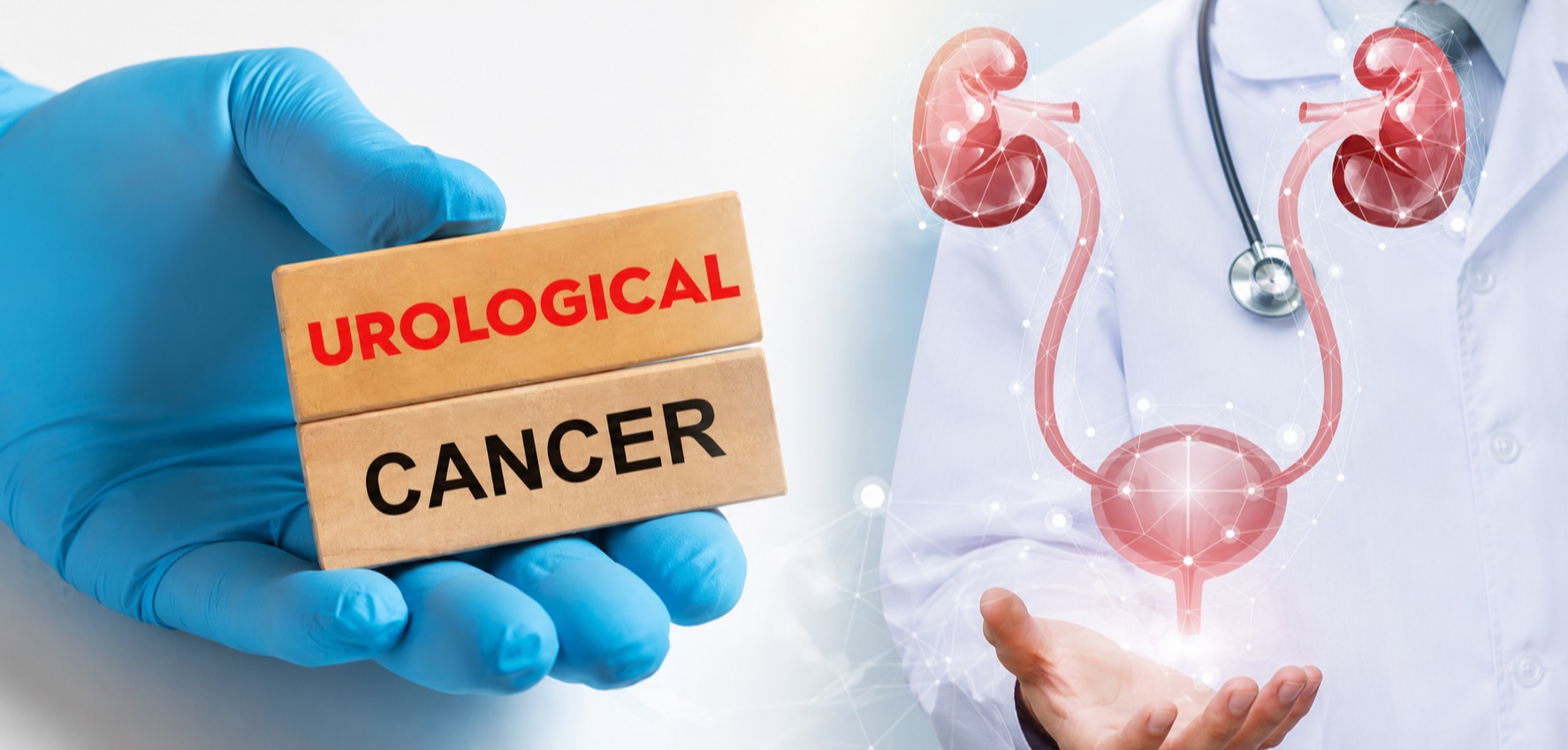
Urological cancers affect the organs of the urinary system and the male reproductive system, including the kidneys, bladder, ureters, prostate, testicles, and adrenal glands in certain situations. These cancers can develop gradually, and their early symptoms are sometimes mistaken for common urinary infections or age-related changes. As a result, diagnosis may be delayed unless persistent symptoms are investigated promptly.
Early detection remains one of the most important factors influencing treatment options and long-term outcomes. Knowing which symptoms should never be ignored and understanding when surgery becomes part of the treatment plan can help patients seek timely specialist care.
What Are Urological Cancers?
Urological cancers include several different types of malignancies, each with unique characteristics and treatment approaches.
The most common types include:
- Kidney cancer
- Bladder cancer
- Prostate cancer
- Ureter cancer
- Urethral cancer
- Testicular cancer
Although these cancers affect different organs, many share similar warning signs that require medical attention.
Symptoms That Should Never Be Ignored
Not every urinary symptom indicates cancer, but persistent or unexplained changes should always be evaluated by a healthcare professional.
Common warning signs include:
- Blood in the urine
- Frequent urination
- Pain during urination
- Difficulty emptying the bladder
- Persistent lower back or flank pain
- A lump in the abdomen or testicle
- Unexplained weight loss
- Fatigue
- Swelling of the legs in advanced cases
Some patients experience no symptoms during the early stages, and the cancer may be detected incidentally during imaging performed for another medical condition.
Who Is at Higher Risk?
Several factors may increase the likelihood of developing urological cancers.
These include:
- Increasing age
- Smoking
- Obesity
- Family history of certain cancers
- Long-term exposure to industrial chemicals
- Chronic urinary tract irritation
- Certain inherited genetic conditions
Having one or more risk factors does not mean cancer will develop, but regular medical evaluation becomes increasingly important.
How Are Urological Cancers Diagnosed?
Diagnosis involves a combination of clinical assessment and specialised investigations.
Medical History and Physical Examination
The doctor reviews urinary symptoms, medical history, family history, and performs an appropriate physical examination.
Laboratory Tests
Urine analysis and blood investigations provide valuable information regarding kidney function, infection, or bleeding.
Certain cancers may also require tumour marker evaluation.
Imaging Studies
Ultrasound, CT scan, and MRI help determine the size, location, and extent of the tumour.
These imaging studies also assist surgeons in planning treatment.
Endoscopic Evaluation
Procedures such as cystoscopy allow direct visual examination of the bladder and urinary tract when bladder cancer is suspected.
Biopsy
A tissue sample confirms the diagnosis and identifies the exact cancer type, helping guide treatment decisions.
When Is Surgery Recommended?
Surgery remains one of the most effective treatments for many urological cancers, particularly when the disease is diagnosed before extensive spread.
The type of surgery depends on:
- The organ involved
- Tumour size
- Cancer stage
- Overall health of the patient
- Presence or absence of metastasis
The objective is to remove the cancer completely while preserving organ function whenever medically appropriate.
Can Minimally Invasive Surgery Be Used?
Advances in surgical oncology have expanded the role of minimally invasive and laparoscopic procedures for selected urological cancers.
Potential benefits include:
- Smaller incisions
- Reduced postoperative discomfort
- Lower blood loss
- Faster recovery
- Shorter hospital stay
- Earlier return to daily activities
However, not every patient is suitable for minimally invasive surgery. The decision depends on tumour characteristics and surgical safety rather than patient preference alone.
What Happens After Surgery?
Recovery varies according to the type and complexity of the operation.
Most patients require:
- Pain management
- Gradual return to normal diet
- Early mobilisation
- Wound care
- Follow-up imaging
- Regular surveillance appointments
Some patients may also require chemotherapy, targeted therapy, immunotherapy, or radiation depending on the final pathology report and stage of the disease.
Long-term monitoring remains an important part of treatment because certain urological cancers can recur after initial therapy.
Why Early Specialist Evaluation Matters
Many urinary symptoms are caused by non-cancerous conditions, but delaying evaluation can reduce treatment options if cancer is present. Consulting a surgical oncologist at the appropriate stage helps ensure that every available treatment approach is considered before major decisions are made.
Patients in Vile Parle, Mumbai, and across Maharashtra often seek specialist assessment for kidney, bladder, and other urological cancers, particularly when surgery is being considered or a second opinion is needed. Dr. Sasmita Vadgaonkar works closely with multidisciplinary cancer teams to evaluate imaging, biopsy findings, and overall patient health before recommending an individualised surgical treatment plan that aligns with current evidence-based oncology practices.
Although a diagnosis of urological cancer can feel overwhelming, advances in imaging, minimally invasive surgery, precision oncology, and multidisciplinary care have significantly improved outcomes for many patients. Recognising persistent urinary symptoms early and obtaining timely specialist evaluation provide the best opportunity for effective treatment and long-term disease control.