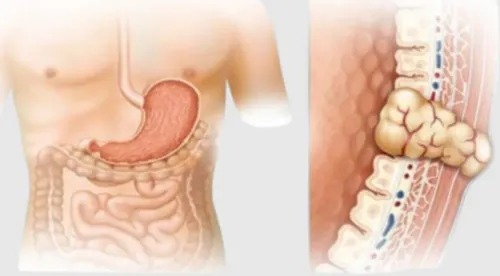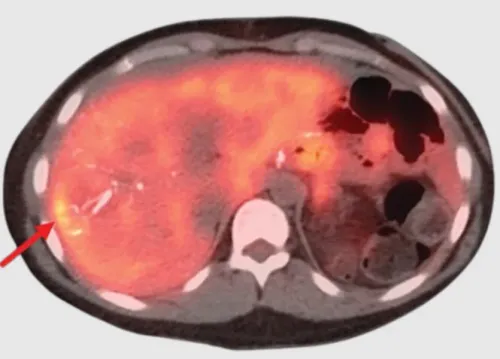
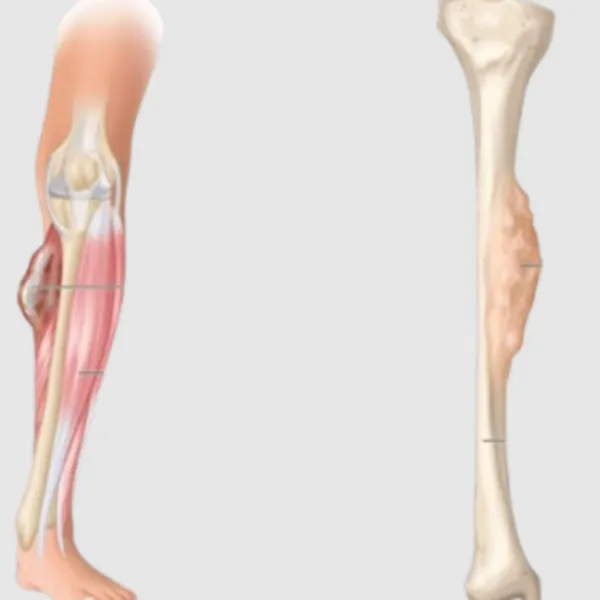
Soft tissue sarcomas are uncommon cancers arising from tissues such as muscle, fat, connective tissue, blood vessels and other supporting structures. They can occur almost anywhere in the body, including the limbs, trunk and deeper internal spaces.
Because these tumours are rare, the first treatment decision can have a major influence on subsequent management.
Start With the Correct Diagnosis
Not every soft tissue lump is a sarcoma.
Many lumps are benign. However, certain features make specialist evaluation particularly important.
These can include a mass that is:
- Increasing in size
- Deep rather than superficial
- Relatively large
- Recurrent after previous removal
- Painful or affecting nearby structures
- Unexplained by injury or infection
Clinical examination alone may not reliably distinguish benign from malignant masses.
Imaging Should Usually Come Before Definitive Surgery
MRI is particularly useful for evaluating many soft tissue tumours in the limbs and trunk.
It can show the tumour's relationship with muscles, nerves, blood vessels and surrounding tissue.
CT may be appropriate for certain anatomical areas or as part of staging.
The key principle is planning.
Removing an unexplained mass first and investigating it afterward can create difficulties if the pathology unexpectedly shows sarcoma.
Biopsy Must Be Planned Properly
A biopsy obtains tissue so that a pathologist can determine what type of tumour is present.
For suspected sarcoma, the biopsy route matters.
The location of the biopsy tract should be planned with future surgery in mind because it may need to be removed during definitive tumour surgery.
This is one reason specialist evaluation before biopsy can be useful when sarcoma is suspected.
What Makes Sarcoma Surgery Different?
Sarcoma surgery aims to remove the tumour with an appropriate margin while preserving as much function as safely possible.
The operation may need to consider:
- Major nerves
- Blood vessels
- Muscle groups
- Bones
- Joints
- Skin coverage
- Nearby organs
The balance between cancer clearance and functional preservation can make these operations technically demanding.
Questions to Ask a Surgical Provider
Patients evaluating where to undergo surgery can ask specific questions rather than relying on general claims of experience.
Useful questions include:
- Has my pathology been reviewed?
- Has appropriate imaging been completed before surgery?
- What surgical margin is planned?
- Could nearby structures require removal?
- Is reconstruction likely?
- Will radiation or chemotherapy be considered?
- How will function be affected?
- What follow-up is needed after treatment?
Clear answers help patients understand the actual treatment plan.
The Importance of Multidisciplinary Care
Sarcoma management can involve several specialists.
Depending on tumour location and stage, the team may include surgical oncology, medical oncology, radiation oncology, pathology, radiology, orthopaedic surgery, plastic surgery and rehabilitation services.
Complex cases sometimes require coordinated reconstructive planning alongside tumour removal.
What to Bring for a Second Opinion
Patients seeking a surgical oncology consultation should ideally bring:
- MRI and CT images
- Imaging reports
- Biopsy report
- Pathology slides or blocks when requested
- Previous operation records
- Current medication details
- Previous cancer treatment information
Patients in Mumbai may have investigations performed across different hospitals, so maintaining an organised set of records is particularly helpful when seeking another opinion.
Dr. Sasmita Vadgaonkar provides surgical oncology assessment for soft tissue sarcomas in Vile Parle.
The readiness indicator for sarcoma surgery is not simply finding a surgeon who can remove a lump. Appropriate imaging, carefully planned biopsy, confirmed pathology, staging and a clear strategy for surgical margins should come before definitive treatment whenever circumstances allow.
Keywords