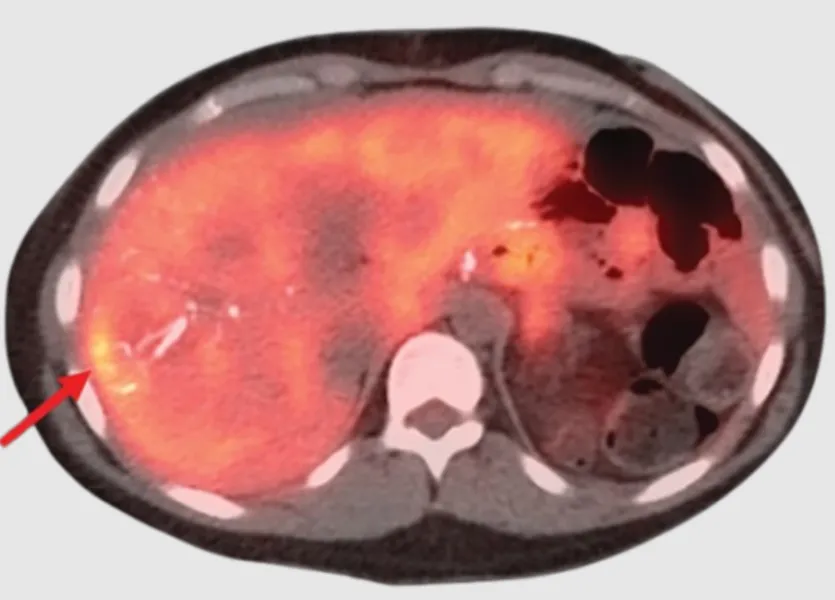
Neuroendocrine tumors, also called neuroendocrine neoplasms or NENs, arise from specialised cells with characteristics of both nerve cells and hormone-producing endocrine cells. They can occur in several organs and vary enormously in how quickly they grow.
That variation is precisely why a neuroendocrine tumour diagnosis requires more detail than the word cancer alone.
Where Can Neuroendocrine Tumors Develop?
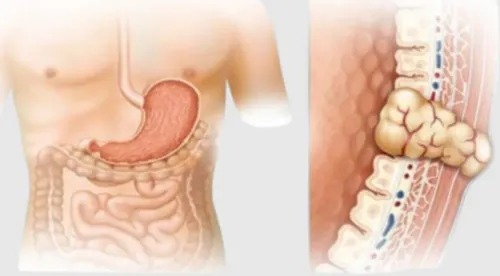
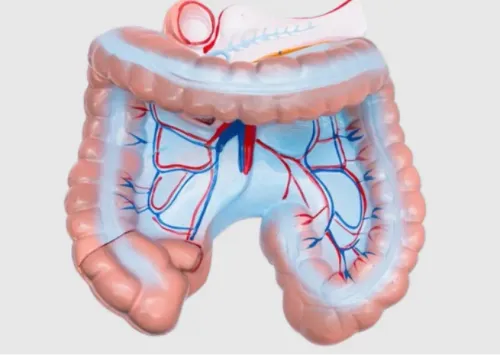
Neuroendocrine neoplasms commonly arise in areas such as:
- Small intestine
- Pancreas
- Stomach
- Rectum
- Appendix
- Lung
They can also occur at less common sites.
The organ of origin influences investigations, treatment possibilities and long-term follow-up.
Grade Is Particularly Important
Neuroendocrine tumours can behave very differently.
Some are relatively slow growing, while high-grade neuroendocrine cancers may behave aggressively.
Pathologists examine tumour tissue and evaluate features that indicate how actively cells are dividing.
Patients should therefore understand not only where the tumour originated but also its grade and exact pathological classification.
Functioning and Non-Functioning Tumours
Certain neuroendocrine tumours release biologically active hormones.
These are sometimes described as functioning tumours and can produce distinctive symptoms depending on the hormone involved.
Others do not cause a recognisable hormone syndrome and may instead be discovered because of pain, obstruction, bleeding or imaging performed for another reason.
How Are NENs Investigated?
Evaluation may involve several forms of testing.
Depending on the tumour, doctors may use:
- CT scans
- MRI
- Endoscopic procedures
- Specialised functional imaging
- Blood tests
- Urine investigations
- Hormonal testing
- Biopsy
No single investigation is appropriate for every neuroendocrine tumour.
When Is Surgery Considered?
Surgery may be important for localised neuroendocrine tumours that can be removed safely.
The procedure depends heavily on the organ involved.
A small appendiceal tumour, for example, presents a very different surgical situation from a pancreatic neuroendocrine tumour or a tumour involving the small intestine and surrounding lymph nodes.
Disease that has spread to the liver also requires individualised assessment.
Is Every Neuroendocrine Tumor Operated On?
No.
Some small or low-risk lesions may be managed differently depending on their location and characteristics.
Advanced disease may require systemic or targeted treatments, somatostatin-based therapies or other specialised approaches.
This is why treatment should not be selected from tumour size alone.
Information to Bring to a Specialist Consultation
Patients seeking another opinion can make the assessment more useful by bringing:
- Biopsy report
- Histopathology slides or blocks if requested
- CT or MRI images
- Functional imaging results
- Endoscopy reports
- Blood investigation results
- Details of previous surgery
- Details of previous cancer treatment
In a city such as Mumbai, patients frequently undergo investigations at multiple centres. Keeping a chronological medical file helps specialists understand how the disease has evolved.
Multidisciplinary Review
Neuroendocrine tumours can require input from surgical oncology, medical oncology, radiology, nuclear medicine, pathology, gastroenterology and endocrinology depending on the case.
For patients seeking assessment in Vile Parle, Dr. Sasmita Vadgaonkar can evaluate whether surgery has a role within the overall management of neuroendocrine tumors.
A useful treatment plan should answer several questions clearly: where did the tumour begin, what is its grade, has it spread, is it producing hormones and can it be removed safely?
Those details provide a far stronger basis for treatment decisions than treating every neuroendocrine tumour as though it behaves in the same way.
Keywords