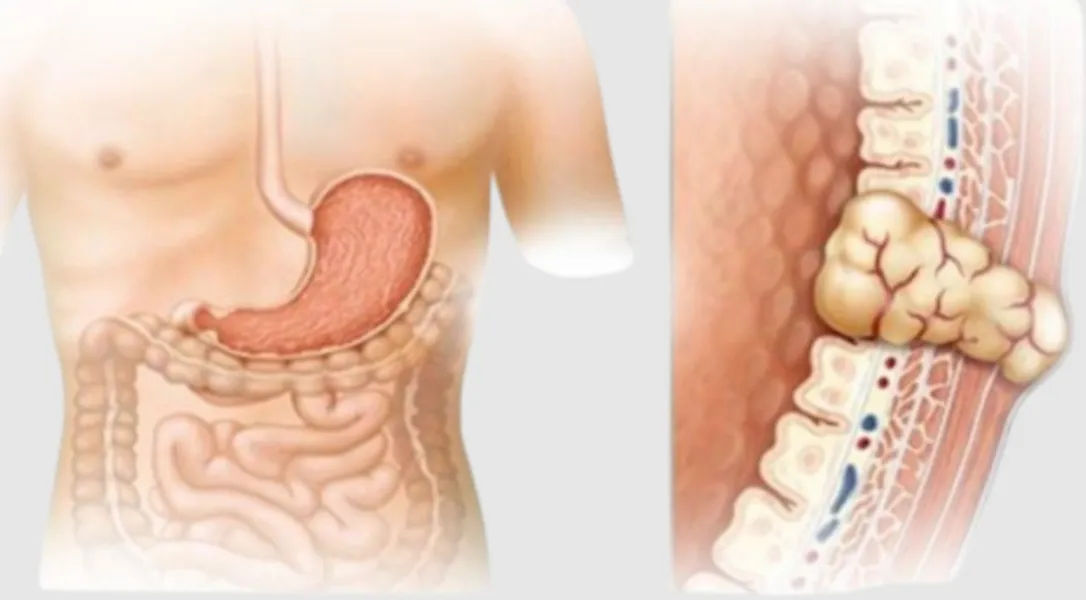
Gastrointestinal stromal tumors, commonly known as GISTs, are uncommon tumours that arise from specialised cells within the gastrointestinal tract. Although they occur in digestive organs, they behave differently from the more common adenocarcinomas of the stomach or intestine.
This distinction matters because diagnosis, surgical technique and systemic treatment for GIST follow specific principles.
Where Does GIST Occur?
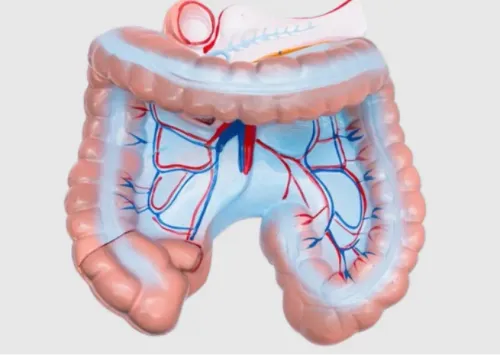
GIST can develop throughout the gastrointestinal tract.
Common locations include:
- Stomach
- Small intestine
- Colon and rectum
- Oesophagus
Tumours can occasionally arise in related abdominal locations outside the gastrointestinal tract.
The stomach is one of the most frequent sites.
What Symptoms Can GIST Cause?
Symptoms depend on tumour size and location.
Possible problems include:
- Abdominal discomfort
- Gastrointestinal bleeding
- Anaemia
- Vomiting
- Early satiety
- A palpable abdominal mass
- Bowel obstruction
- Unexplained fatigue
Some smaller GISTs are discovered incidentally during endoscopy or imaging.
Why Pathology Is Essential
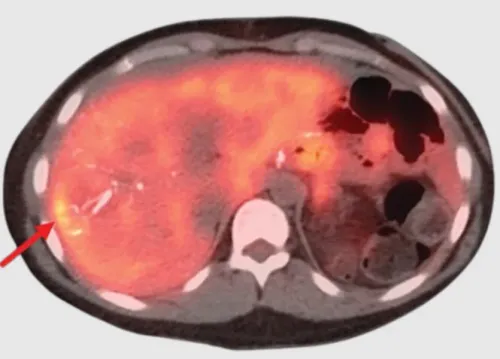
GIST cannot be reliably diagnosed simply by looking at a mass on a scan.
Pathological examination and appropriate immunohistochemical testing help distinguish GIST from other tumours.
Molecular testing may also provide clinically important information in selected patients because specific mutations can influence systemic treatment decisions.
How Surgery Differs From Other GI Cancer Operations
The surgical principles for GIST are not identical to those for common gastrointestinal cancers.
Complete removal without rupturing the tumour is an important objective when surgery is indicated.
Unlike many gastrointestinal adenocarcinomas, extensive lymph node removal is not routinely required in typical GIST because lymphatic spread is relatively uncommon.
Tumour handling is also important because rupture can affect recurrence risk.
When Minimally Invasive Surgery May Be Considered
Certain appropriately located GISTs may be suitable for laparoscopic removal.
However, the decision is influenced by:
- Tumour size
- Exact location
- Relationship to surrounding structures
- Risk of rupture
- Ability to obtain appropriate margins
- Surgical experience
A minimally invasive operation should not compromise safe tumour handling merely to achieve smaller incisions.
When Medication May Come Before Surgery
Some GISTs carry mutations that respond to targeted medication.
When a tumour is large or located where immediate surgery could require extensive organ removal, preoperative targeted therapy may sometimes be considered.
The aim may be to reduce tumour size and make subsequent surgery more manageable.
This strategy requires confirmation of the diagnosis and appropriate molecular assessment.
Assessing Risk After Surgery
Removing a GIST does not automatically end the evaluation.
Doctors may estimate recurrence risk using factors such as:
- Tumour size
- Mitotic activity
- Primary tumour location
- Tumour rupture
- Molecular characteristics
These factors help determine whether additional targeted therapy should be considered.
Choosing the Right Evaluation
Patients diagnosed with GIST should understand the pathology rather than assuming they have a conventional stomach or bowel cancer.
Useful questions include:
- Has the diagnosis been pathologically confirmed?
- Where did the GIST originate?
- Is it currently resectable?
- Would medication before surgery be useful?
- Can surgery be performed without tumour rupture?
- Is molecular testing relevant?
- What is the estimated recurrence risk?
Dr. Sasmita Vadgaonkar evaluates gastrointestinal stromal tumors for patients seeking surgical oncology consultation in Vile Parle, Mumbai.
GIST management illustrates why cancer treatment cannot be based solely on the organ involved. Two tumours in the stomach may require very different treatment because their underlying biology is different. Establishing the correct diagnosis first allows surgery and additional therapy to be planned appropriately.
Keywords