


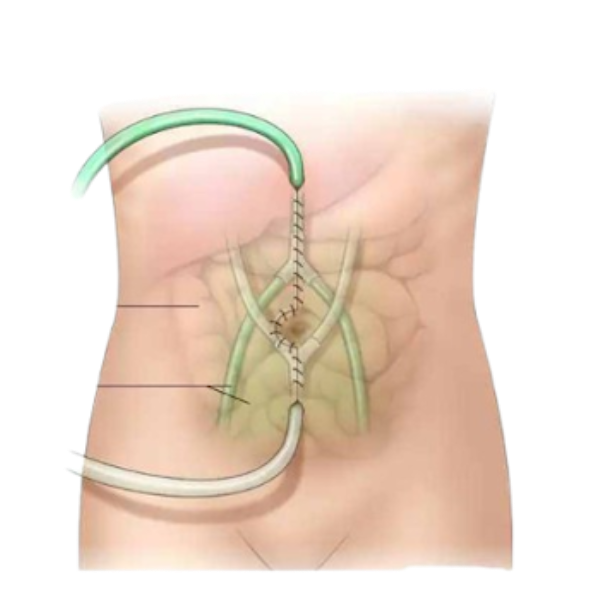
Cancer that spreads within the abdominal cavity often requires a different treatment approach from cancers confined to a single organ. In carefully selected patients, Hyperthermic Intraperitoneal Chemotherapy (HIPEC) has become an important advancement in surgical oncology. When combined with cytoreductive surgery, HIPEC is designed to target microscopic cancer cells that remain after visible tumours have been removed.
Although HIPEC is not suitable for every cancer patient, it has shown encouraging results in selected cases. Understanding how the treatment works, who may benefit, and what the recovery process involves can help patients and families make informed decisions.
What Is HIPEC?
HIPEC stands for Hyperthermic Intraperitoneal Chemotherapy. It is a specialised procedure performed immediately after cytoreductive surgery.
Once the surgeon removes all visible cancer deposits from the abdominal cavity, a heated chemotherapy solution is circulated throughout the abdomen for a specific period. The medication is then drained before the surgical procedure is completed.
Unlike conventional chemotherapy that travels throughout the bloodstream, HIPEC delivers chemotherapy directly to the affected area where microscopic cancer cells may still be present.
Why Is Chemotherapy Heated?
Heat plays an important role in the effectiveness of HIPEC.
The chemotherapy solution is warmed to a carefully controlled temperature, usually around 41–43°C. Heating helps by:
- Improving the penetration of chemotherapy into tissues
- Increasing the effectiveness of certain chemotherapy drugs
- Destroying microscopic cancer cells that cannot be seen during surgery
- Limiting exposure of the rest of the body to high concentrations of chemotherapy
This targeted approach allows treatment to focus on the abdominal cavity while reducing some of the systemic side effects associated with intravenous chemotherapy.
Which Cancers May Be Treated with HIPEC?
HIPEC is considered only after careful evaluation by a multidisciplinary cancer team. It is not recommended for every type or stage of cancer.
Patients who may benefit include those with selected cases of:
- Appendix cancer
- Peritoneal mesothelioma
- Certain colorectal cancers with peritoneal spread
- Ovarian cancer in specific situations
- Some gastric cancers with limited abdominal involvement
- Pseudomyxoma peritonei
Eligibility depends on several clinical factors, including the extent of disease, tumour biology, response to previous treatments, and overall health.
How Is a Patient Evaluated?
Before recommending HIPEC, specialists conduct a thorough assessment to determine whether the procedure is likely to provide meaningful benefit.
The evaluation generally includes:
- Detailed CT or MRI scans
- Blood investigations
- Review of biopsy reports
- Assessment of previous treatments
- General fitness for major surgery
- Discussion within a multidisciplinary tumour board
This careful planning ensures that the treatment strategy is tailored to the patient's condition rather than following a one-size-fits-all approach.
What Happens During the Procedure?
HIPEC is performed in two stages during the same operation.
The first stage involves cytoreductive surgery, where the surgeon removes all visible tumour deposits from the abdominal cavity.
The second stage begins once tumour removal is complete. A heated chemotherapy solution is circulated throughout the abdomen using a specialised machine for a fixed duration, usually between 60 and 90 minutes, depending on the treatment protocol.
After completing the chemotherapy cycle, the solution is removed, and the surgery is finished in the standard manner.
The entire procedure may take several hours because of its complexity.
Recovery After HIPEC
Recovery following HIPEC is generally longer than recovery after routine abdominal surgery.
Patients are monitored closely for:
- Pain management
- Fluid balance
- Nutritional support
- Bowel function
- Wound healing
- Signs of infection
Hospital stay varies according to the extent of surgery and the individual's recovery. Many patients gradually resume normal daily activities over several weeks, although complete recovery may take longer in complex cases.
Regular follow-up appointments help monitor healing and determine whether additional treatment is required.
Benefits and Considerations
HIPEC offers potential advantages for appropriately selected patients, including:
- Treatment directed at microscopic cancer cells
- Higher local concentration of chemotherapy
- Reduced exposure of the rest of the body to chemotherapy
- Improved local disease control in selected cancers
- Integration with surgical tumour removal in a single procedure
However, it is important to understand that HIPEC is a major intervention. The decision to proceed depends on careful assessment of expected benefits, possible risks, and individual treatment goals.
The Importance of Specialist Surgical Oncology Care
HIPEC requires advanced surgical expertise, specialised equipment, and coordinated multidisciplinary care. Since not all cancer centres offer this procedure, patients are often referred to experienced surgical oncology teams capable of evaluating complex abdominal cancers.
Individuals in Vile Parle, Mumbai, and other parts of Maharashtra who are exploring treatment options for cancers involving the abdominal cavity may benefit from consulting an experienced surgical oncologist. Dr. Sasmita Vadgaonkar evaluates patients for advanced procedures such as cytoreductive surgery and HIPEC, ensuring that recommendations are based on tumour characteristics, overall health, and evidence-based clinical practice.
For patients who qualify, HIPEC represents one of the important advances in modern cancer treatment. Understanding the procedure, asking informed questions, and seeking expert evaluation can help patients choose a treatment plan that is appropriate for their specific diagnosis and long-term care goals.